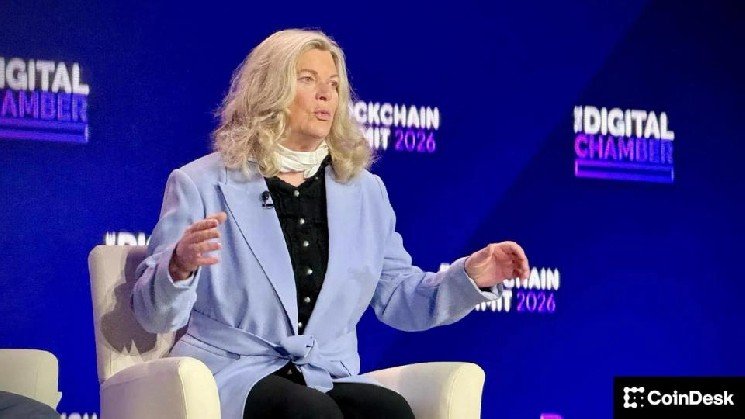
The U.S. Senate's Digital Asset Market Clarity Act draft is still open to changes on a number of big-ticket items that include its government-ethics section, Senator Cynthia Lummis, one of the lead negotiators on the bill, said about the effort that's "finally" getting closer to passage with the release of the text.
The Senate's Judiciary, Ethics and Intelligence Committees all had input into the bill, Lummis told CoinDesk on Wednesday, and while the process has "been very difficult," the bill is ready for additional feedback.
"It's time to show everyone the fully integrated bill that we will be voting on, and get the feedback from the industry that's about to be regulated, as well as others," Lummis said. "So I'm pleased we've reached this point."
Lummis released an updated text of the Clarity Act earlier Wednesday that merged the bills passed by the Senate Banking and Agriculture Committees into one longer bill. The updated text is not likely to be the final version of the bill.
The bill's proposed conflict-of-interest limits for government officials' crypto involvement will continue to be discussed through the weekend, and some of the illicit finance provisions may also see further discussion, Lummis said.
Ethics has been the most important provision the industry and the broader Congress has waited for. Lummis said that the Republican negotiators on the bill had worked with Democrats "for weeks on end" but were at an impasse over the role of state attorneys general and whether they could bring criminal or private cases against any parties bound by the ethics provision.
"That was a bright red line for a lot of U.S. senators who did not want to subject themselves to being sued by a different state attorney general," Lummis said. "That was also true of the White House, which has been subject to multiple lawsuits and prosecutions by state attorneys general, and so that's kind of a bright line issue for a lot of senators, and certainly for the White House."
States could, instead, sue crypto exchanges that list any assets which would violate the ethics provision, Lummis said.
Beyond the president, the ethics agreement would apply to any other lawmaker, any high-level federal judge (including those on a district court, appeals court, the U.S. Supreme Court or the Court of International Trade) and their spouses, Lummis said.
President Donald Trump's crypto business ties include a memecoin company that issues a coin named for the president and a stablecoin issuer.