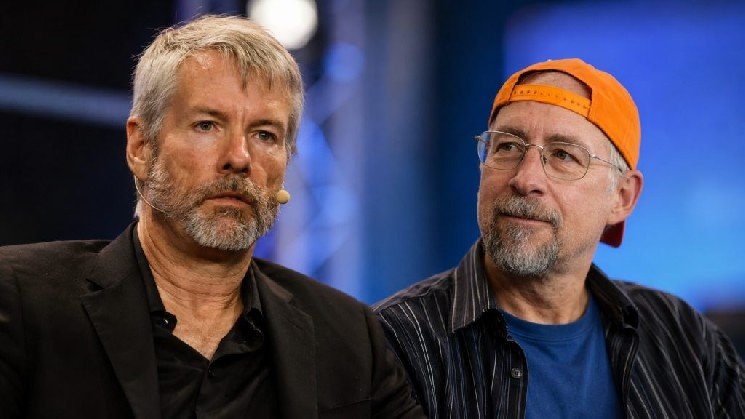
Adam Back and Michael Saylor, prominent figures in the Bitcoin ecosystem, have opposed the BIP 110 proposal, which aims to restrict certain transactions on the network. Both argue that its adoption could undermine Bitcoin’s fundamental principles and set a dangerous precedent.
Adam Back, co-founder of Blockstream and inventor of Hashcash, argued that BIP 110 is an attempt to audit user transactions. According to Back, the proposal contradicts Bitcoin’s principles of decentralization, permissionless use, and resistance to censorship.
Back also warned that if the proposal is not advanced without sufficient network-wide support, it could lead to a chain split in Bitcoin, or a fork. He stated that it is not right to block transactions that comply with the rules of the Bitcoin network based on their content.
Related News Serious Allegations of Manipulation Surround an Altcoin: Its Value Has Almost Completely EvaporatedStrategy Chairman Michael Saylor also opposed BIP 110, saying the proposal directly transformed a spam debate into a change to consensus rules.
Saylor pointed out that BIP 110 would invalidate some transfers that are currently valid and subject to transaction fees under the existing rules. Arguing that such a step could set an extremely dangerous precedent for the Bitcoin network, Saylor stated, “There are 110 things more dangerous than spam for Bitcoin.”
According to Saylor, the community needs to focus its energy not on limiting which transactions can be made on the network, but on the more fundamental security and centralization risks threatening Bitcoin.
*This is not investment advice.