Japan's spot Bitcoin ETF market could accumulate $18.4 billion, or around 3 trillion yen, by fiscal 2028. Following recent reports that Japan is preparing to launch its first such funds, fresh analysis by XWIN estimates that this ambitious forecast is not an exaggeration but a sober economic calculation.
The projected $18.4 billion only appears enormous. In reality, it represents a modest 0.13% of the $14.6 trillion in savings held by Japanese households, much of which has historically remained idle in bank deposits. Relative to the size of Japan's equity investment fund market, potential inflows into Bitcoin ETFs would amount to an almost negligible 1%.
Where the capital is coming from
Analysts expect these billions to come from three real sources.
The first is ordinary retail investors. Instead of dealing with complex crypto exchanges, they will be able to buy Bitcoin through familiar investment applications and tax-advantaged NISA accounts. Tax reform could provide another powerful incentive: the tax rate on crypto income is expected to be reduced from a punitive 55% to the standard 20%.
The second source is conservative institutional capital. Due to Bitcoin's low correlation with the U.S. dollar, Japanese pension funds have begun using it as a hedge against inflation. For example, the National Business Pension Fund in Okayama has already allocated its first 1% of assets to the crypto sector.
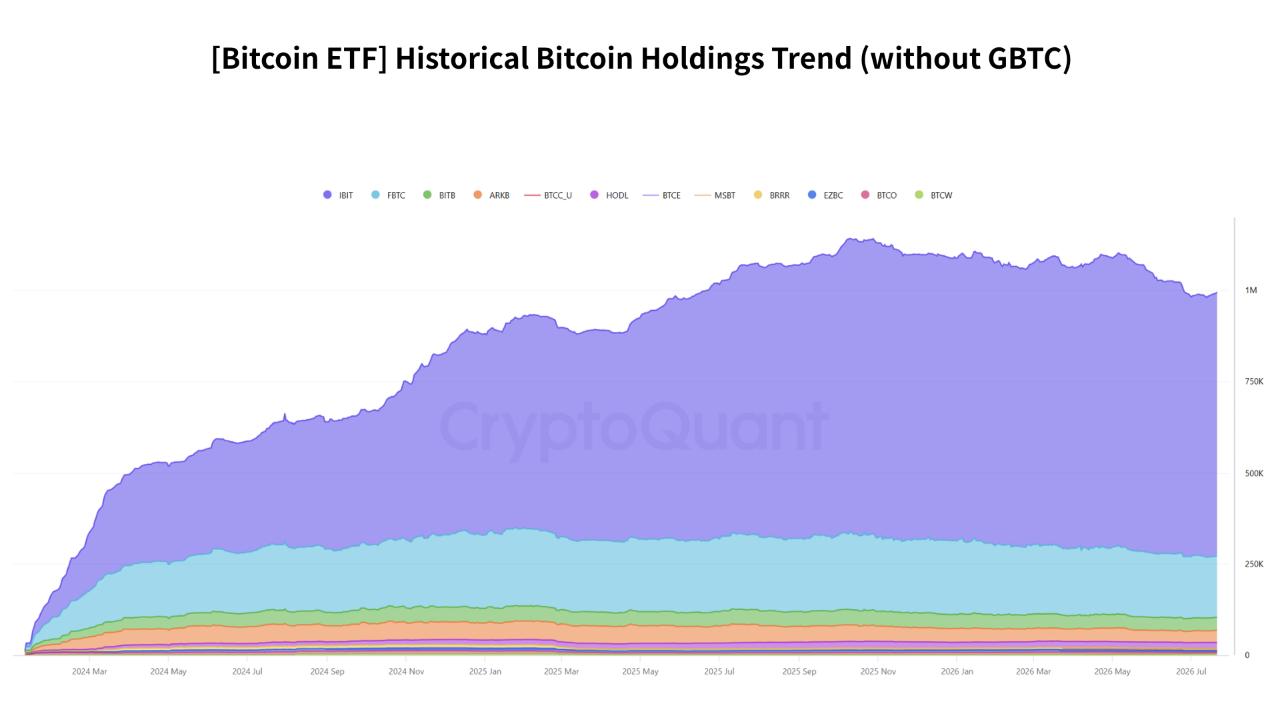
The third player is Japan's domestic financial giants. SBI Holdings has already proposed launching a range of ETFs, including a dual fund based on Bitcoin and XRP. SBI aims to attract 5 trillion yen in assets under management within just three years. If this pace is maintained, the $18.4 billion target for the entire market could be exceeded well before fiscal 2028.
The main developments to watch over the coming months are the formal adoption of amendments to the Financial Instruments and Exchange Act, or FIEA, and the first applications submitted by issuers to the Financial Services Agency, or FSA.
Once the regulator gives the green light, the speed at which Japanese ETFs accumulate these billions will depend directly on two factors: whether brokers can quickly integrate crypto assets into applications used by mass-market investors and whether the proposed tax reduction to 20% receives final approval.
If Tokyo does not become bogged down in bureaucracy, Asia could gain a regulated crypto hub capable of seriously competing with the U.S. market.