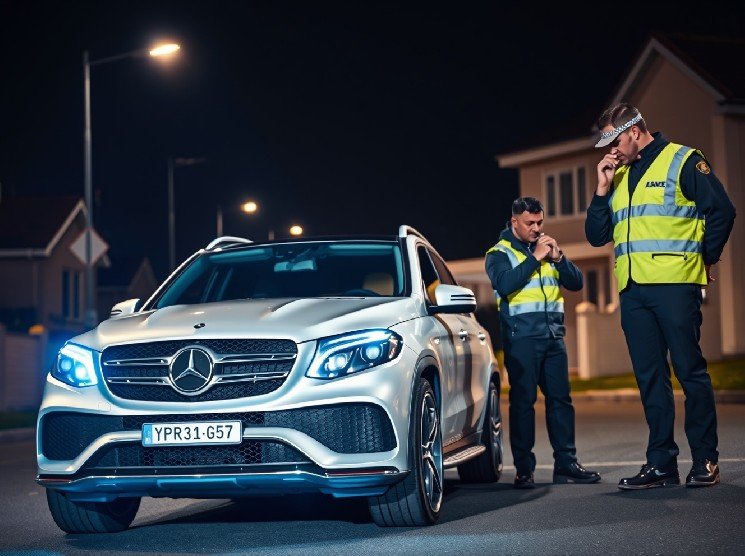
Authorities in Cape Town, South Africa, have confiscated a luxury vehicle linked to cryptocurrency investment scams and money laundering, in a targeted operation that highlights the growing use of high-end assets to attract victims. The silver Mercedes-AMG GLE, valued at approximately $153,000, was seized during a nighttime operation led by Cape Town Mayor Geordin Hill-Lewis and local police.
Vehicle Used to Lure Victims into Fraudulent Schemes
The luxury SUV had been falsely registered as a white BMW, according to officials. Authorities stated that such vehicles are commonly used by self-proclaimed crypto and forex traders, as well as finfluencers, to project an image of wealth and success. This display is intended to lure potential victims into fraudulent investment schemes.
The seizure is part of a broader crackdown on organized financial crime in the region. It follows a March report from the Global Initiative Against Transnational Organized Crime (GI-TOC), which identified South Africa as an emerging hub for organized crypto fraud. The report detailed how international criminal organizations based in Cape Town and Johannesburg are orchestrating global scams using deepfakes, cloned apps, and fake investment platforms.
How Illicit Funds Are Laundered
According to the GI-TOC report, the proceeds from these scams are laundered through a combination of methods. Criminals use cryptocurrency wallets, money mules, and physical assets, such as unregistered luxury vehicles, to clean illicit funds. The use of high-value, tangible assets like cars provides a layer of separation from digital trails, making it harder for authorities to trace the money.
Why This Matters for Consumers
For everyday investors, this case serves as a warning. The display of luxury goods by online promoters is not a reliable indicator of legitimate success. Fraudsters often use rented or illegally acquired assets to build trust. The Cape Town seizure underscores the importance of verifying the credentials of any financial advisor or investment platform, especially those promising high returns through crypto or forex trading.
South Africa’s position as a growing hub for crypto fraud also raises concerns about the need for stronger regulatory oversight and international cooperation to combat these cross-border crimes.
Conclusion
The seizure of the Mercedes-AMG GLE in Cape Town is a concrete step in disrupting the infrastructure of organized crypto crime. It demonstrates that law enforcement is actively targeting the visible assets used to perpetrate fraud, while also highlighting the sophisticated methods criminals use to launder money. For readers, the case reinforces the need for caution when engaging with online investment promoters and the importance of relying on regulated, verifiable financial services.
FAQs
Q1: Why was the Mercedes seized in Cape Town?
The vehicle was seized because it was linked to cryptocurrency investment scams and money laundering. It was falsely registered and used by fraudsters to project wealth and lure victims into fraudulent schemes.
Q2: How do criminals use luxury cars in crypto scams?
Fraudsters use luxury cars to create an illusion of financial success, making their investment schemes appear legitimate and attractive. The vehicles are often purchased with laundered money or used as a way to store and display illicit wealth.
Q3: What should investors look out for to avoid crypto scams?
Investors should be wary of promoters who flaunt luxury goods, promise guaranteed high returns, or use unregulated platforms. Always verify the credentials of financial advisors and check if the investment platform is registered with relevant authorities.