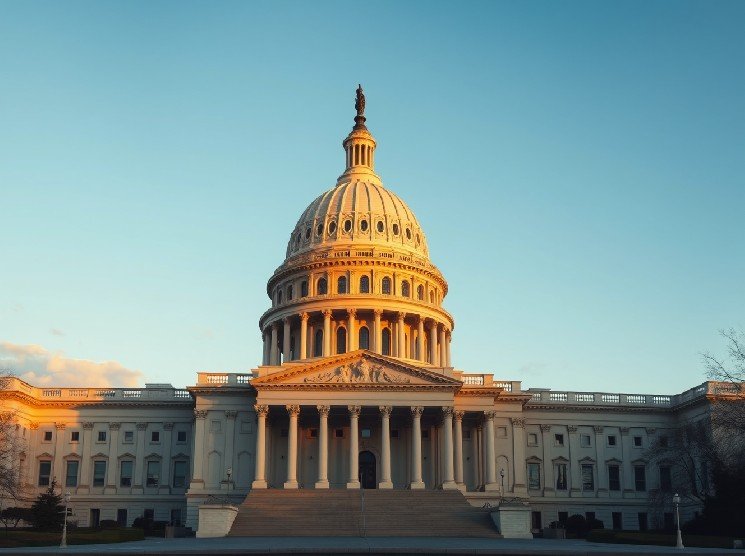
U.S. Senate Democratic Leader Chuck Schumer has proposed two candidates each for the Securities and Exchange Commission (SEC) and the Commodity Futures Trading Commission (CFTC) to the White House, according to a report from Semafor reporter Eleanor Mueller. The move comes as part of ongoing negotiations over cryptocurrency legislation, where the issue of vacancies at both agencies has been a sticking point for months.
Background of the Nominations
The proposal follows months of back-and-forth during crypto bill talks, with lawmakers from both parties pointing fingers over who was responsible for filling the empty seats at the SEC and CFTC. The identities of the candidates have not been disclosed publicly. One person familiar with the matter said the decision to keep the names under wraps was intentional, aimed at avoiding premature political attacks before the candidates undergo a fair vetting process.
Why This Matters for Crypto Regulation
The SEC and CFTC are the two primary federal agencies overseeing digital assets in the United States. The SEC has jurisdiction over securities, while the CFTC oversees commodities, including certain cryptocurrencies like Bitcoin and Ethereum. Vacancies at both agencies have slowed the pace of rulemaking and enforcement, creating uncertainty for the crypto industry. Filling these seats could accelerate the development of clearer regulatory frameworks, which industry participants have long requested.
Impact on Legislative Negotiations
Schumer’s move is seen as a strategic effort to break a logjam in the Senate over comprehensive crypto legislation. By offering candidates for both agencies, the Democratic leader is signaling a willingness to compromise and move forward with bills that have bipartisan support. However, the Senate must still confirm any nominees, and the White House will need to formally submit the names for consideration.
Conclusion
The submission of SEC and CFTC candidates by Senator Schumer marks a significant step in the ongoing effort to regulate cryptocurrencies at the federal level. While the identities of the nominees remain confidential, the action suggests progress in negotiations that could lead to more defined rules for digital assets. Observers will be watching closely for the next steps in the confirmation process and how it influences the broader legislative agenda.
FAQs
Q1: Why are the SEC and CFTC vacancies important for crypto regulation?
The SEC and CFTC are the main regulators for digital assets. Vacancies at these agencies have delayed rulemaking and enforcement, creating regulatory uncertainty. Filling them could lead to clearer guidelines for cryptocurrencies.
Q2: What is the crypto bill that Schumer is negotiating?
The specific bill has not been named, but it is part of broader efforts in the Senate to create a comprehensive regulatory framework for digital assets, addressing issues like market structure, consumer protection, and agency jurisdiction.
Q3: When will the names of the candidates be made public?
The names have not been disclosed to avoid premature political attacks. They are expected to be revealed after the White House formally submits the nominations, followed by Senate confirmation hearings.