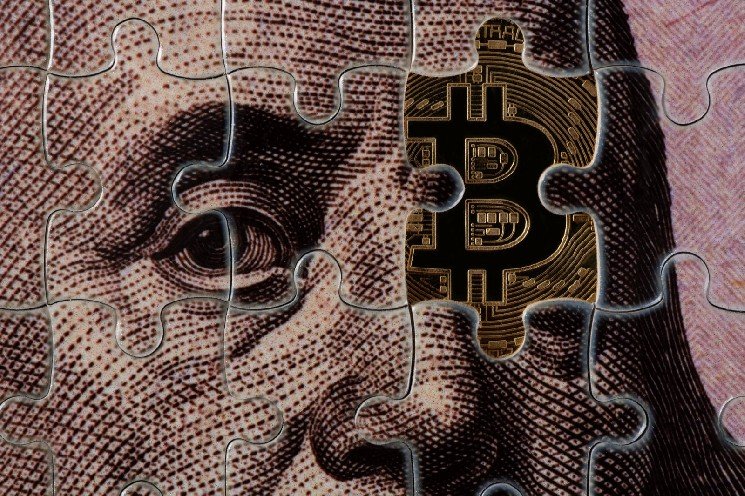
A hidden message has been discovered on the Bitcoin blockchain. An unknown cryptographer appears to have rediscovered Satoshi Nakamoto's code, creating a puzzle wallet whose key is based on data from the network's very first block, mined in 2009.
Galaxy Research analysts detected this unusual on-chain activity in block 963,629. A 255-byte text message was embedded through the OP_RETURN field in a transaction with a total size of 500 bytes.
Because the text occupied more than half of the transaction's physical size, the researchers described it as oversized. Yet the operation cost its creator only pennies, with a miner fee of just 250 satoshis (0.60 sat/vB).
What is the puzzle about?
The author completely abandoned the random generation of a seed phrase. Instead, they embedded the wallet's source data in publicly available information from the Genesis Block, which Satoshi Nakamoto mined 17 years ago.
The manifesto embedded in the transaction explains the logic:
"I created a Bitcoin puzzle using information from Satoshi's Genesis Block to generate a wallet. The entropy is extremely low. I did not even need to make backups—everything required was already in the first block. Good luck!"
Low entropy means that the range for guessing the private key has been deliberately narrowed. Instead of standard cryptographic randomness, the key is hidden within known parameters from 17 years ago.
📜 OVERSIZED OP_RETURN — human-readable text
— Galaxy Research (@glxyresearch) August 23, 2026
Block 963,629 · 1 output(s)
🕐 2026-08-22 19:45 UTC
• 255 B (vout 1) — "I made a Bitcoin puzzle using information contained in the genesis block created by Satoshi to generate the wallet. The entropy is extremely low. I didn't even…
The clue to cracking this "brainwallet" could be any variable from the first block, from its hash to Satoshi's famous text string, The Times 03/Jan/2009.
Clues for sats
Simply publishing the message was not enough for the author, so they launched an interactive race. To help enthusiasts crack the code faster, the puzzle includes a paid-clue mechanism.
The rules are simple: users send Bitcoin transactions to the specified wallet address and receive clues in return. There is a direct correlation—the larger the transfer, the more precise and valuable the clue generated by the system.
The crypto community has already joined the race and is combing through Satoshi Nakamoto's archives, trying to become the first to connect the cryptocurrency creator's digital signature to the new puzzle wallet.