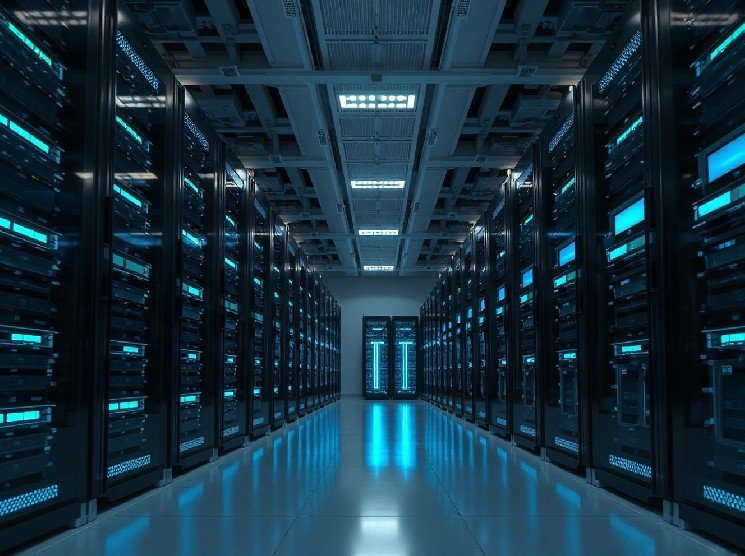
Nvidia (NVDA) is reportedly seeking to attract more than $500 billion in outside funding to build out AI computing infrastructure, a move that could significantly widen the gap between centralized, high-performance data centers and blockchain-based decentralized computing networks such as Render and Akash. The initiative, involving major Wall Street financial firms, underscores the growing demand for massive computational power to train advanced AI models.
Centralized vs. Decentralized: The Growing Divide
According to data from Epoch AI, even the largest decentralized AI training network currently operates at roughly one-300th the processing capacity of cutting-edge data centers. This disparity highlights the immense technical and operational challenges facing decentralized networks, which aim to pool idle GPU resources from individuals and smaller organizations.
Several factors contribute to this gap, including limited network bandwidth, the high cost of verifying computing results, a lack of enterprise-grade service guarantees, and the difficulty of moving large volumes of data across distributed nodes. These hurdles make it challenging for decentralized networks to compete with centralized data centers on performance, reliability, and scalability.
Wall Street Backing and Industry Implications
Nvidia has previously signed memorandums of understanding with six prominent financial firms: Apollo Global Management, Blackstone, BlackRock, Brookfield Asset Management, Goldman Sachs, and KKR. These partnerships are expected to channel substantial capital into building AI-ready data centers, further cementing the dominance of centralized infrastructure.
The influx of funding could accelerate the development of hyperscale facilities equipped with Nvidia’s latest GPUs, which are essential for training frontier AI models. For decentralized networks, this trend poses a strategic challenge: they must either find niche applications where their model is advantageous or innovate to overcome current limitations.
Why This Matters
The outcome of this race has significant implications for the AI ecosystem. Centralized infrastructure offers performance and reliability, but it also concentrates power in the hands of a few corporations. Decentralized networks promise democratized access and resilience, yet they struggle to match the scale and efficiency of their centralized counterparts.
For businesses and developers, the choice between these models will depend on factors like cost, latency, data sovereignty, and trust. As Nvidia’s funding push materializes, the competitive landscape may shift further, potentially leaving decentralized networks behind unless they can address their fundamental bottlenecks.
Conclusion
Nvidia’s ambitious plan to raise over $500 billion for AI infrastructure is poised to widen the performance gap with decentralized networks. While decentralized projects like Render and Akash offer a compelling vision, they face significant technical and economic obstacles. The coming years will be critical in determining whether they can evolve to remain relevant in an increasingly centralized AI landscape.
FAQs
Q1: What is Nvidia’s role in AI infrastructure?
Nvidia is a leading manufacturer of GPUs that are widely used for AI training and inference. The company is now partnering with financial firms to raise billions for building data centers equipped with its hardware.
Q2: How do decentralized computing networks work?
Decentralized networks like Render and Akash allow individuals and organizations to rent out idle GPU resources. They use blockchain technology to coordinate transactions and verify work, aiming to create a more open and accessible market for computing power.
Q3: Why are decentralized networks slower than centralized data centers?
Decentralized networks face challenges such as limited bandwidth, high verification costs, and lack of enterprise-grade guarantees. These factors make it difficult to achieve the scale and efficiency of centralized facilities.
Related Reading
- RBA Holds Rates Steady; Nvidia Earnings Reassure AI Spending
- Hut 8 Affirms Commitment to Responsible Data Center Development Following Directive from Texas Governor Greg Abbott
- Firmus Raises $2B to Expand AI Infrastructure After Pivot from Bitcoin Mining
- Bitcoin Miners’ AI Pivot Loses Stock Market Luster: Cointelegraph Analysis
- Nvidia Stands Out as Tech Sentiment Cools, Deutsche Bank Says