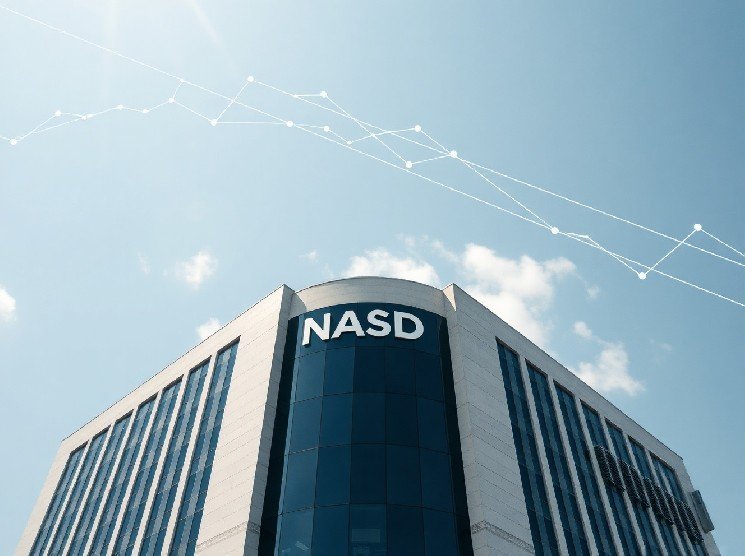
Nigeria has taken a significant step toward modernizing its capital markets by approving the trading of blockchain-based stock tokens. The approval, granted to NASD, the country’s over-the-counter (OTC) market, will enable companies to issue and trade tokenized equities, according to a Bloomberg report. NASD plans to launch the service in early September, following the green light from Nigeria’s Securities and Exchange Commission (SEC).
Regulatory Milestone
This move marks a notable development in Nigeria’s evolving approach to digital assets. The Nigerian SEC had previously authorized NASD in 2023 to develop digital tokens backed by real-world assets, laying the groundwork for this latest approval. By allowing stock tokens to be traded on a regulated platform, Nigeria is positioning itself as a forward-thinking jurisdiction in the integration of blockchain technology with traditional finance.
The approval is not just a technicality; it reflects a broader regulatory trend in Africa’s largest economy. Nigeria has been actively exploring blockchain applications across various sectors, including financial services, supply chain, and identity management. The SEC’s willingness to engage with innovative models suggests a pragmatic approach to fostering financial inclusion while maintaining investor protection.
What Are Stock Tokens?
Stock tokens are digital representations of company shares, issued on a blockchain. They offer several potential benefits, including fractional ownership, faster settlement times, and enhanced transparency. For companies, tokenization can lower barriers to capital raising and provide access to a wider pool of investors. For investors, it offers a more accessible and liquid market, especially for smaller or privately held companies.
However, the technology also presents challenges, particularly around regulatory compliance, market integrity, and investor education. The Nigerian SEC’s approval suggests that these concerns are being addressed through a structured framework, though the details of the regulatory conditions have not been fully disclosed.
Implications for Investors and Companies
For Nigerian companies, the ability to issue stock tokens on NASD could open new avenues for fundraising. It may also attract foreign investment, as blockchain-based securities are increasingly recognized globally. For investors, the move provides an opportunity to participate in the growth of Nigerian enterprises with greater flexibility and lower entry costs.
Yet, it is essential to approach this development with measured optimism. The success of tokenized securities will depend on robust market infrastructure, clear legal clarity, and effective risk management. The SEC’s oversight will be crucial in ensuring that the market operates fairly and transparently.
Context in the Global Landscape
Nigeria is not alone in exploring blockchain-based securities. Countries like the United States, Switzerland, and Singapore have already implemented or piloted similar frameworks. However, Nigeria’s move is significant for Africa, potentially setting a precedent for other emerging markets. It demonstrates that blockchain technology can be harnessed within existing regulatory structures to enhance capital market efficiency.
The approval also aligns with Nigeria’s broader digital transformation agenda. The government has shown interest in blockchain technology as a tool for economic diversification and financial inclusion. This development could serve as a catalyst for further innovation in the country’s fintech sector.
Conclusion
Nigeria’s approval of blockchain-based stock token trading via NASD is a forward-looking regulatory decision with the potential to reshape its capital markets. By embracing tokenization, the country is not only modernizing its financial infrastructure but also signaling its readiness to participate in the global digital economy. As the service launches in September, stakeholders will be watching closely to see how this initiative unfolds and whether it delivers on its promise of increased access and efficiency.
FAQs
Q1: What is a stock token?
A stock token is a digital representation of a company’s share, issued on a blockchain. It allows for fractional ownership and can be traded on digital platforms, offering benefits like faster settlement and broader access.
Q2: Who approved the blockchain-based stock token trading in Nigeria?
The approval was granted by Nigeria’s Securities and Exchange Commission (SEC) to NASD, the country’s over-the-counter market. NASD will facilitate the issuance and trading of these tokens.
Q3: When will the service begin?
NASD plans to begin offering the service in early September, following the SEC’s approval. The exact date has not been announced yet.
Related Reading
- Former SEC Chair Jay Clayton Sworn In as Director of National Intelligence
- SEC Commissioner Peirce Optimistic About Clarity Act Passage, Pledges Continued Crypto Reform
- Wells Fargo to Launch In-House Blockchain Deposit Token This Fall
- Kenya to Place 15 Million Academic Records on Avalanche Blockchain
- Tokenized U.S. Treasury Market Reaches $15.2 Billion Across 18 Blockchains