A graded Pokémon card locked inside a secure vault can now change hands hundreds of times without ever leaving the shelf. That's becoming one of Solana's fastest-growing real-world asset markets.
From trading cards and comic books to whisky, wine and luxury watches, a new generation of applications is using Solana to tokenize ownership of physical collectibles, allowing them to be bought, sold and redeemed almost instantly while the underlying item remains in professional custody.
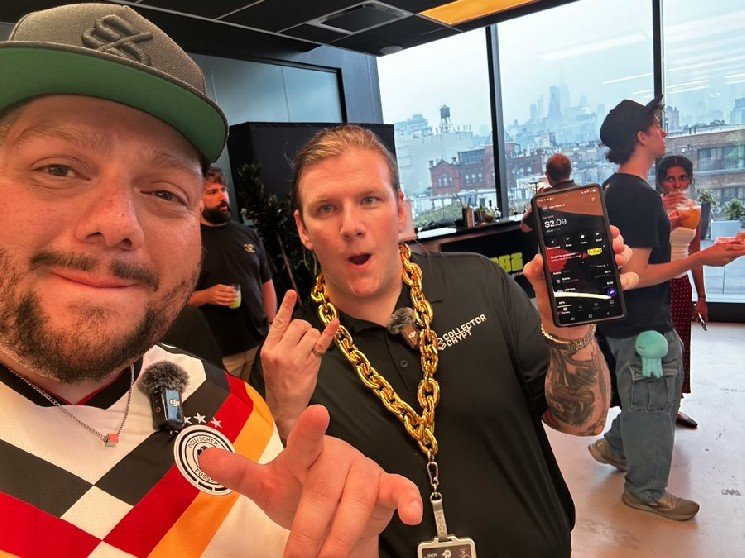
The biggest player so far is Collector Crypt, which says it has tokenized more than 130,000 graded trading cards and facilitated over $1.6 billion in trading volume. That infrastructure now powers products including Solflare Packs, Rarible's Gacha Station, Jupiter Gacha and ComicBook.com's Vending Machine, putting tokenized collectibles inside wallets and marketplaces that millions of crypto users already know.
Why Put a Trading Card on the Blockchain?
Buying a valuable collectible has never been particularly difficult. Selling one has.
A high-value Pokémon card or sports collectible often involves authentication, payment verification, insurance, shipping and the risk of disputes before ownership finally changes hands. Tokenization separates ownership from physical delivery.
Once a professionally graded card enters secure storage, its ownership can be represented on-chain. Buyers trade the digital asset while the physical collectible remains safely vaulted until someone chooses to redeem it. Instead of shipping the same card every time it's sold, only the ownership record moves.
Beyond Pokémon
Trading cards were the first category to gain traction, but the model is spreading quickly. Phygitals has processed more than $250 million in tokenized collectible volume, while Beezie generated more than $2 million within two days of launching on Solana.
The same infrastructure is now being applied to wine and spirits through BAXUS, comics through ComicBook.com's Vending Machine, museum-grade dinosaur fossils through JurassicFi, and luxury watches through Watch.fun.
Although the assets differ, the workflow remains remarkably similar: authenticate, vault, tokenize, trade and redeem.
Why Solana?
Collectibles behave differently from property or private credit. Someone might buy and sell a $100 trading card several times in one week. That doesn't work if every transaction costs several dollars.
On Solana, transaction fees remain fractions of a cent, allowing applications to support low-value assets alongside collectibles worth tens of thousands of dollars. Confirmation times measured in seconds also let pack-opening apps, marketplaces and games feel like traditional consumer applications rather than financial infrastructure.
The result is an ecosystem where a collector can reveal a card, list it for sale, accept an offer and continue browsing without ever waiting for physical settlement.
Collectibles Become Financial Assets
The category is also moving beyond simple ownership. Platforms now offer instant buybacks, lending and secondary liquidity for eligible collectibles.
Collector Crypt, Phygitals and Beezie all allow users to sell qualifying cards back into the market almost immediately after opening them. Jupiter Offerbook has introduced lending against tokenized physical cards, allowing collectors to borrow stablecoins without selling prized assets.
That shift mirrors a broader trend across tokenized real-world assets. Once ownership becomes digital, the asset can be traded, borrowed against or integrated into financial applications without moving the physical object itself.