
Germany’s 2027 federal budget draft includes cryptocurrency taxation reforms among its fiscal consolidation measures, targeting the current one year holding rule that allows tax free gains on digital assets. If approved, the proposal would end the long standing cryptocurrency tax exemption by subjecting gains from cryptocurrency sales to taxation regardless of how long the assets are held.
Germany Includes Crypto Tax Changes in 2027 Budget
Germany’s governing coalition has officially agreed to include cryptocurrency taxation reforms in its 2027 federal budget consolidation measures. The Federal Ministry of Finance outlined the plan in its monthly report after the cabinet approved the 2027 budget key figures.
Under the 2027 budget parameters, the cabinet set a spending framework of €543.3B, with net borrowings of €110.8B. In order to support consolidation, the coalition is aiming at about €4B in annual structural savings and other revenue measures. These include new levies on plastic and sugar, higher taxes on alcohol and tobacco, enhanced efforts against tax crime, and a specific change to crypto taxation.
Why the One-Year Crypto Tax Exemption Is Under Pressure
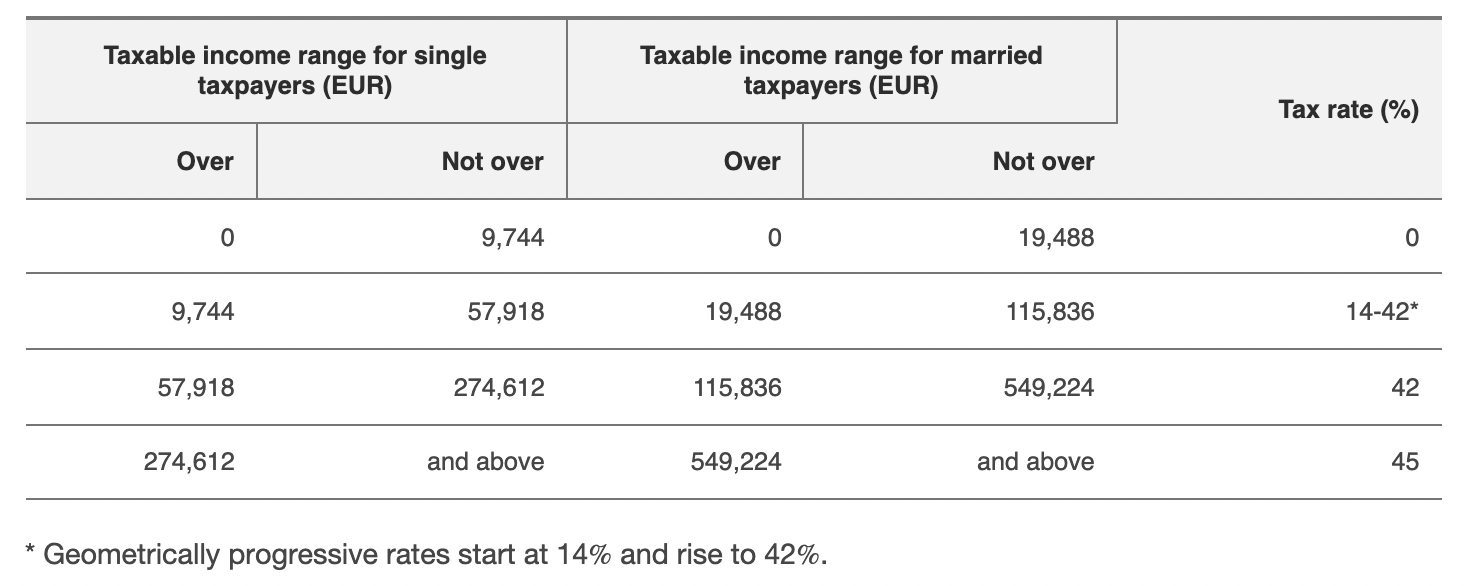
Crypto is considered as a private asset under Section 23 of the German Income Tax Act. This means gains from crypto become tax free once the assets have been held for more than 12 months. If crypto is sold within one year of purchase, the profits are subject to personal income tax rates of up to 45%. However, small gains remain exempt, with an annual tax free allowance of up to €1,000.
Meanwhile, pressure on the exemption has increased since late 2025, with members of the SPD and the Green Party advocating for its elimination as it affords an unfair advantage over traditional investments.
In April 2026, during the presentation of the key figures for the 2027 budget, Finance Minister Lars Klingbeil (SPD) amplified the discussion, saying the government aims to “tax cryptocurrencies differently” as part of planned measures likely to raise around €2B in additional revenue, alongside tightening up on tax crimes.
Broader Impact on EU Crypto Landscape
Germany’s potential end to the one year crypto tax exemption in 2027 could reshape the broader EU crypto landscape. Germany, as one of the largest economies and as a leader in MiCA, frequently also sets precedents for regulatory and fiscal policy in other member states, which could bring Europe closer to uniform taxation of capital gains.
Industry experts caution that the move may lead to capital flight to more attractive jurisdictions and impact BTC investment flows across Europe. Portugal continues to provide a full exemption after a year, but other countries, such as Austria, have a flat 27.5% capital gains tax with no holding benefits.
As a result, Germany’s move would reduce regional tax competition and increase pressure on other jurisdictions as EU tax transparency rules under DAC8 and CARF expand across digital asset markets.