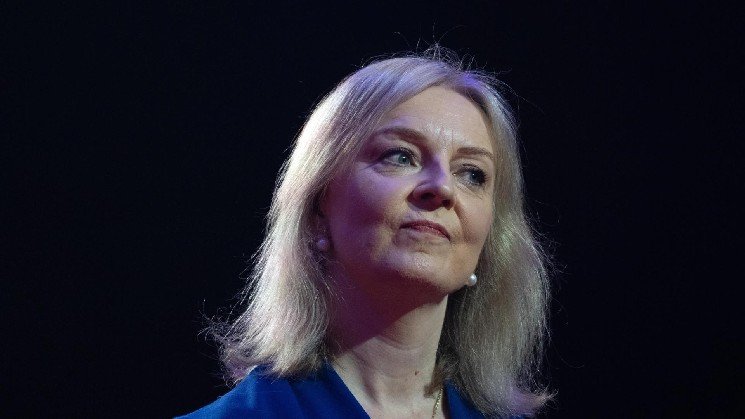
Former U.K. Prime Minister Liz Truss said surging global bond yields reflect mounting government debt and currency debasement, with Britain among the most exposed major economies.
“Global bond yields are spiking due to mountains of debt and the U.K. is one of the worst examples, Truss said in an interview. “The Bank of England has printed money and debased the currency.”
The U.K. has experienced one of the sharpest increases in borrowing costs among major developed economies. The 10-year gilt yield has climbed above 5.2% and the 30-year yield is approaching 6%, up from 5.12% when Truss was in office in 2022.
Bond prices move in the opposite direction to yields, and the selloff is not confined to the UK. Yields have accelerated across the U.S., Japan, France and Germany, highlighting the increasingly global nature of the pressure from growing debt, inflation and fiscal sustainability.
“The only way out whilst maintaining public support is to grow the economy faster through supply-side measures whilst holding down spending. I fear, though, the situation has gone too far and we may end up with imposed emergency spending cuts,” she said.
The benchmark U.S. 10-year Treasury yield has risen above 4.8%, erasing the decline that followed Treasury Secretary Scott Bessent’s announcement last month of a buyback program for longer-dated government debt. The yield initially fell as low as 4.62%.
Meanwhile, assets associated with the so-called debasement trade have retreated from recent highs. Gold surged to around $4,700 an ounce before falling back to around $4,300, close to where it traded when the intervention was announced.
Bitcoin BTC$76,528.08 climbed from roughly $64,000 to as high as $81,000 before pulling back to around $76,500, still substantially above its pre-announcement level.