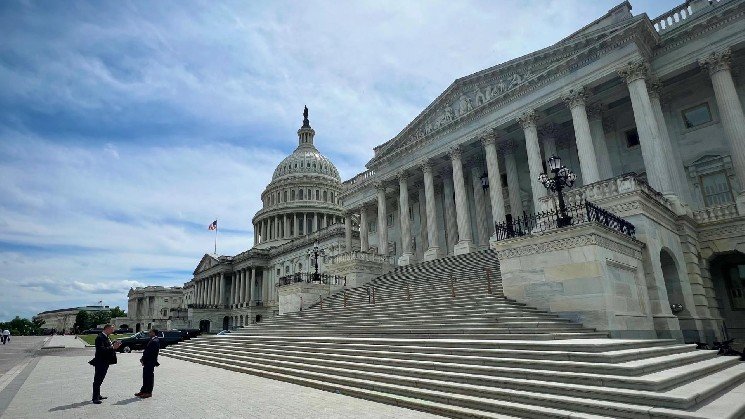
The Senate is going on its summer break in a week, leaving next to no time left to sort out its remaining priorities in August. And obviously, the fate of Clarity is one of those priorities.
You’re reading State of Crypto, a CoinDesk newsletter looking at the intersection of cryptocurrency and government. Click here to sign up for future editions.
One week leftThe narrative
As of Friday, July 31, the Senate had not filed a motion to proceed for the Digital Asset Market Clarity Act, the first required step in advancing the bill through the Senate.
Why it matters
Time is running short for the Clarity Act to make it through the Senate in 2026. We're at the point now where the industry is saying that a procedural vote this week could tee the bill up for passage when the Senate returns from recess in September. Though unlike death and taxes, this is far from certain.
Breaking it down
Senators Ruben Gallego and Thom Tillis sent a proposed revised ethics provision to the White House on Thursday, after drafting the compromise the day before, an industry source familiar with the talks told CoinDesk. As of midafternoon on Friday, the White House had not officially responded to the proposal.
Ethics remains the biggest outstanding issue to be resolved before the Clarity Act can advance. There are ongoing negotiations around other issues, including stablecoin reserves and yield, law enforcement authorities and some of the Agriculture Committee provisions addressing the Commodity Futures Trading Commission's total remit, but these are relatively uncomplicated compared to ethics, two industry sources said. One added that they expected those other issues to be resolved relatively quickly should negotiators come to a deal on ethics.
If the White House signs off on the counter-proposal from Tillis and Gallego, that could speed the way to at least the first part of the cloture process, the other source told CoinDesk. The Senate would still need to follow the cloture process laid out in last week's edition of this newsletter, but the timelines involved mean that it would be difficult to get the bill all the way through by the end of the week. Still, getting through that first procedural vote would be a visible win for the crypto industry, should it happen.