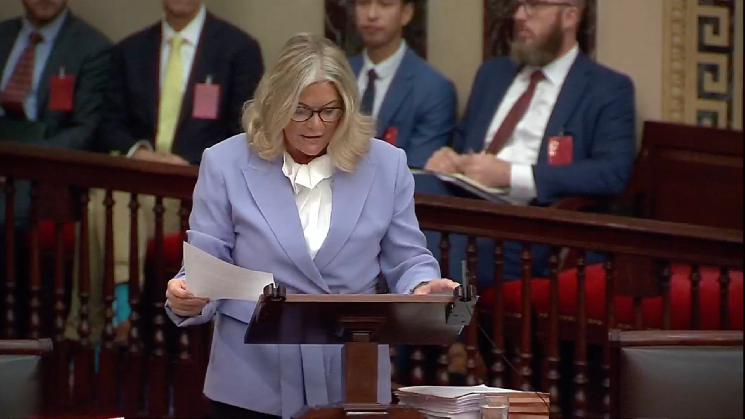
The Senate’s failure to advance the Clarity Act on Tuesday was a setback for the crypto industry’s push to lock market-structure rules into law, but the reaction from industry leaders was notably measured.
Crypto executives said the vote does not unwind the regulatory progress already underway at the SEC and CFTC, nor is it likely to stop banks, asset managers and crypto firms from continuing to build.
What it does leave unresolved is the question of durability: agency rules can change with a new administration, while legislation would have given the industry a more permanent framework.
For some, that means the U.S. now risks extending the uncertainty that has pushed companies to look toward jurisdictions such as Europe, where MiCA already provides a clearer rulebook. Others argued the failed vote changes little about the longer-term shift toward regulated digital-asset markets.
Here is how crypto industry executives reacted to the Clarity Act’s failure in the Senate.
Connor Howe, Co-Founder & CEO, Enso
"Falling short of the 60-vote threshold doesn't send the market back to 2022. [CFTC Chair] Selig already told CFTC staff to draft a market-structure regime under existing Commodity Exchange Act authority, and the SEC put Regulation Crypto Assets out for comment back in August. Neither move was riding on Tuesday's vote.
Durability is where the vote still matters. The next chair can rewrite an agency rule without a single vote in the Senate. Repealing a statute takes another act of Congress, a bar few chairs manage to clear. Banks and asset managers on the fence hold out for the version that outlasts whoever runs the agency next. The same gap swallows what this draft dropped: explicit Section 1960 protection for developers who never touch customer funds. Without it in statute, that protection is as easy to unwind as anything the CFTC or SEC writes on their own. After a failed cloture, the version that sticks won't come from this Congress."
Barnali Biswal, CEO, Hilbert Group
"Falling short of the 60-vote threshold shouldn't trigger a steep sell-off. Prediction markets had already priced in failure. It does cost momentum, though. Major bank trade groups were lobbying against the stablecoin yield language right up to the vote, and that fight doesn't go away just because cloture failed. Without this compromise, institutional capital keeps navigating a fragmented, enforcement-heavy market."