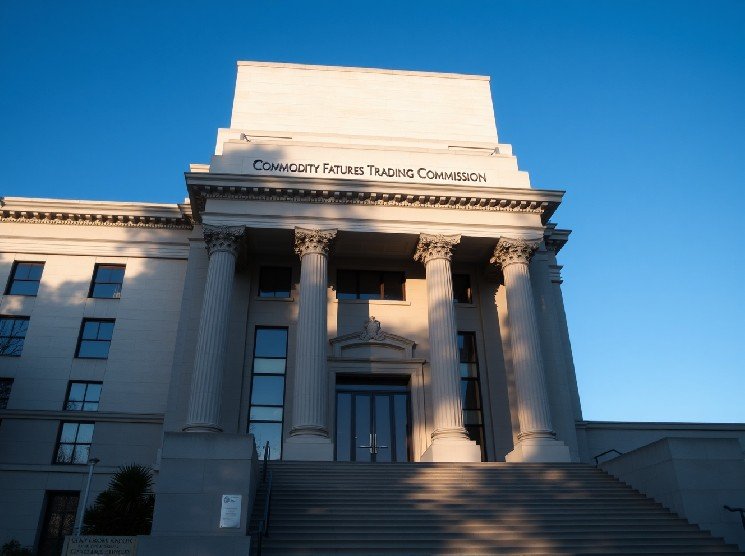
The U.S. Commodity Futures Trading Commission (CFTC) has reached a settlement with former U.S. Representative George Santos over allegations that he manipulated a prediction market on the platform Kalshi, according to a report from The Block. The settlement resolves claims that Santos bet on whether he would attend the State of the Union address and then took steps to influence the market’s outcome.
Background of the case
The CFTC had filed a lawsuit against Santos, accusing him of violating commodity trading laws by engaging in market manipulation. Specifically, regulators alleged that Santos placed a wager on Kalshi regarding his attendance at the State of the Union address, then publicly declared he would not attend, which likely affected the market’s pricing. Santos reportedly profited by more than $17,500 from the trade.
This case highlights the growing scrutiny of prediction markets, which allow users to bet on the outcomes of real-world events. While these platforms have gained popularity, they also raise regulatory questions about market integrity and the potential for individuals with insider knowledge or influence to manipulate outcomes.
Implications for prediction markets
The settlement with Santos comes at a time when U.S. regulators are paying closer attention to prediction markets. The CFTC has previously expressed concerns about the potential for manipulation and the need for clear rules governing these platforms. This case may set a precedent for how the agency handles similar violations in the future, particularly when individuals use their public positions to affect market results.
Kalshi, a regulated exchange, has not been accused of wrongdoing in this matter. The company has stated it cooperates with regulators and maintains compliance with applicable laws.
Why this matters
For market participants and observers, this settlement underscores the legal risks associated with trading on prediction markets. It also signals that the CFTC is willing to pursue enforcement actions against individuals who attempt to manipulate these markets for personal gain. The case serves as a reminder that even public figures are subject to the same rules and regulations as other traders.
Conclusion
The CFTC’s settlement with George Santos resolves a notable enforcement action involving a prediction market. While the terms of the settlement were not disclosed, the case highlights the regulatory challenges posed by these emerging platforms. As prediction markets continue to grow, clear enforcement and oversight will be essential to maintaining market integrity.
FAQs
Q1: What is Kalshi?
Kalshi is a regulated exchange that allows users to trade on the outcomes of events, such as elections, economic indicators, and other real-world occurrences. It operates under the oversight of the U.S. Commodity Futures Trading Commission.
Q2: What was George Santos accused of?
George Santos was accused of market manipulation for betting on whether he would attend the State of the Union address and then allegedly taking actions to influence the market’s outcome. He reportedly earned more than $17,500 from the trade.
Q3: What does the settlement mean for the future of prediction markets?
The settlement signals that regulators are actively monitoring prediction markets and are prepared to enforce rules against manipulation. It may lead to increased scrutiny and potentially new guidelines for these platforms.
Related Reading
- Eurozone CFTC Euro Net Positions Drop to -72.4K, Signaling Bearish Sentiment
- CFTC Data Shows Slight Dip in Gold Net Long Positions: What It Means for the Market
- Japan CFTC JPY Net Positions Slip to ¥-163.4K, Reflecting Deeper Bearish Yen Sentiment
- Circle Wins New York Trust Charter, Paving Way for Direct Institutional Crypto Custody
- Wall Street Split on Coinbase After Earnings Miss: Recovery vs. Regulatory Risk