“Accessibility” has always been one of the biggest bridges between Wall Street and digital assets.
From this perspective, the SEC’s move to reopen the regulatory framework around tokenized equities through an “innovation exemption” naturally brings 24/7 trading back into focus.
The idea is simple: Give investors access to equities without market-hour restrictions, while bringing more liquidity to the market.
Against this backdrop, it’s no surprise the move has triggered a frenzy, with the SEC potentially launching the initiative as early as Friday. But the bigger question for market participants is what this means for crypto.
Notably, tokenization is already being viewed as the biggest potential catalyst for the crypto market.
From a technical standpoint, this thesis can’t be ruled out.
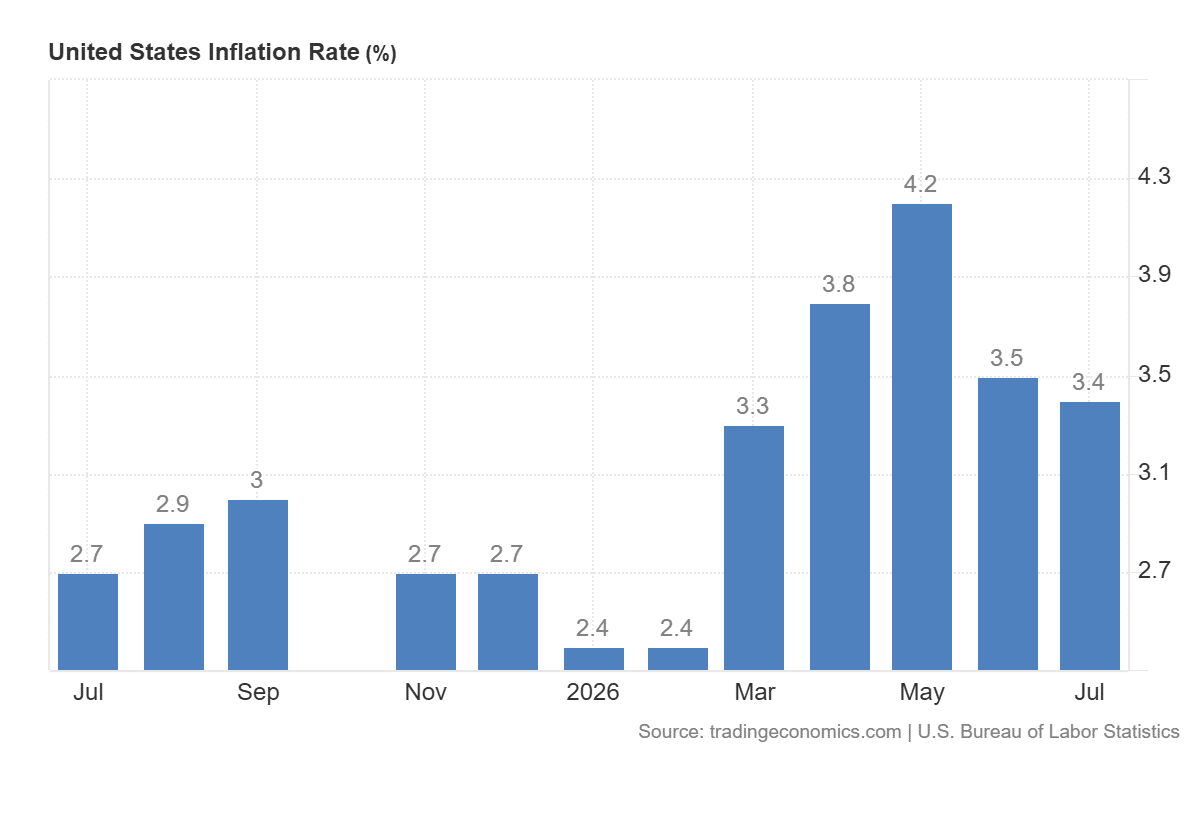
Top U.S. equity indexes, such as the NASDAQ, closed Q2 up more than 27%, while Bitcoin posted a 14% correction. The key takeaway? This divergence emerged after the geopolitical crisis that gripped the global markets toward the end of Q1, eventually feeding into the broader risk-off move across crypto.
The chart above clearly highlights this shift. The U.S. inflation rate climbed to a multi-year high of 4.2% in May, following two straight months of rising inflation before topping out. Yet, despite the macro uncertainty, capital continued flowing into U.S. equities. This clearly showed where investors were putting their money, with traditional markets attracting liquidity while crypto struggled.
Against this backdrop, the SEC’s move to allow these stocks to trade on blockchain could mark a major shift. By enabling 27/4 exposure to traditional equities, tokenization could bring more liquidity, accessibility, and trading activity on-chain.
Tokenization could unlock a new L1 growth cycle
The tokenization sector still has a massive growth opportunity ahead.
According to Token Terminal, the global listed equity market sits at $155 billion, while tokenized equities represent only about 0.0018% of the total equity market. In other words, this sector is still extremely small, but that also leaves a massive runway for growth if even a fraction of traditional equities moves on-chain.
Extending this trend, Token Terminal data shows that Binance Smart Chain (BSC) is currently leading the year-to-date growth in tokenized stocks. Notably, tokenized stock market cap on BSC increased by $900 million, followed by Ethereum’s $450 million and Solana’s $415 million. This divergence is worth watching, as it shows that major L1s are already competing for a share of the emerging tokenized-equity market.
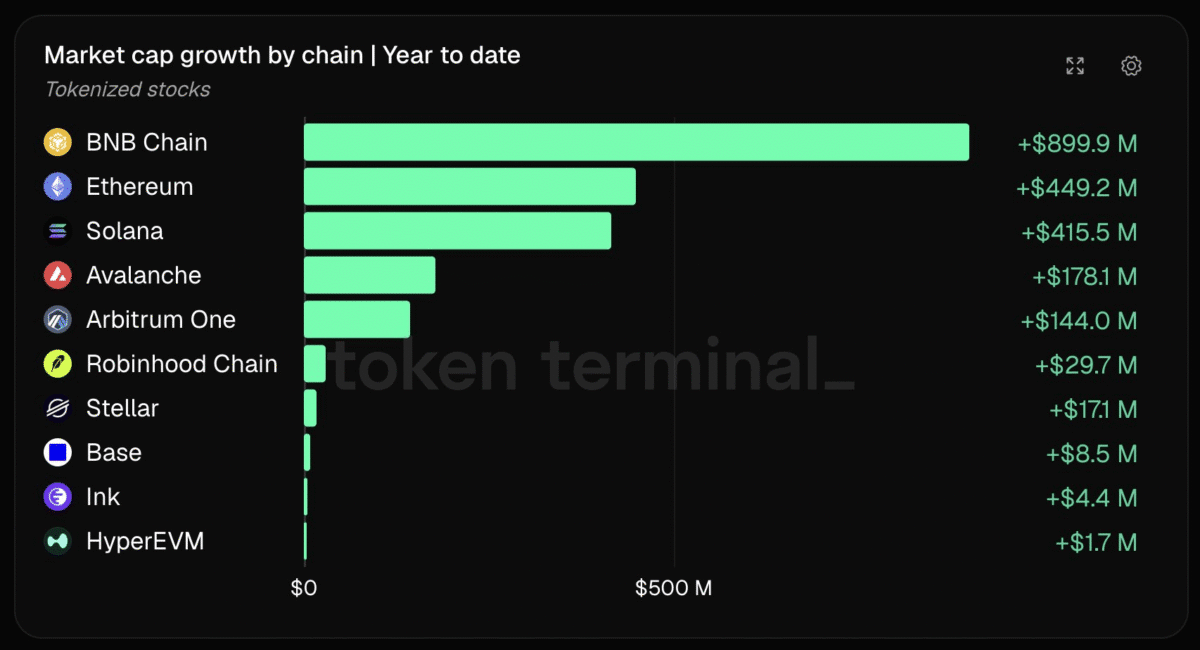
Against this backdrop, the SEC’s move could push this competition into a much higher gear.
If tokenized stocks become a major bridge between TradFi and crypto, the L1s that can capture the resulting trading activity, liquidity, and user demand could be among the biggest beneficiaries through the rest of H2. This, in turn, makes tokenized equities a key area to watch.
Final Summary
- Tokenization could bring more TradFi activity on-chain, boosting liquidity and 24/7 trading.
- L1s could benefit the most, with BSC, Ethereum, and Solana competing for tokenized stock activity.